upper cervical, whole body · ann arbor, michigan
Low back problems? We start at the top.
Upper cervical doesn't mean we only help necks. People come to us with low back pain, hip trouble and sciatica-type pain down a leg, often after years of care aimed at the place that hurts. Here is why we start somewhere else.
QSM3, the upper cervical work behind The Lazar Method™, is a full-body postural correction. The top of the neck is the lever, not the limit: it is where Dr. Jonathan Lazar, D.C., corrects the framework of the whole body. It is not a "bone out of place" model, and it is not neck-only care.
Book a visit Call 734.274.5107
By appointment. Prefer to talk first? Book a Clarity Call, a phone call with our team and no commitment.

who comes to us
People come to us with low back, hip and leg problems
Most have had their back scanned, stretched and strengthened. It still hurts when they stand up, and it seems strange that anyone would look at the top of the neck for an answer.
Low back pain that keeps coming back
It settles for a few days, then it is back when you stand up from a chair or get out of the car.
Stiff first thing, or after sitting
A back that has to be warmed up before it works, after a night's sleep, a long drive or a day at a desk.
Hip and pelvis trouble
One hip that sits higher, one leg that feels shorter, or a hip that aches on one side only.
Sciatica-type pain down a leg
Pain, tingling or numbness that runs from the low back or buttock down one leg.
Posture that leans
Someone tells you that you stand crooked, or you notice one shoulder sitting lower in photos.
You've tried the usual routes
Rest, exercises, stretching, medication, injections, another chiropractor. Each one aimed at the place that hurts.
Back pain with numbness in the groin, loss of bladder or bowel control, fever, or after a serious fall needs emergency care first.

why we start at the top
The top of the neck is the lever, not the limit
Your head balances on the first bone of your neck. Your body works to keep your eyes level at almost any cost. So when the head sits off center there, every level below answers it. The shoulders tip. The spine curves. The hips tilt. The low back, sitting at the bottom of that chain, carries the strain.
That is why care aimed only at the low back can settle things for a few days and then lose ground: the frame above it hasn't changed. QSM3 works the other way round. It uses the upper cervical spine as the lever to correct the whole frame, and then lets the levels below follow.
Not every back problem starts at the top, and we don't assume it does. That is what the measurements are for.
- Head off center on the top of the neckThe first bone of the neck carries the head.
- Neck and shoulders tipTo bring the eyes back to level.
- The spine curvesEach level shifts to balance the one above it.
- Hips and pelvis tiltOne side can sit higher, and one leg can feel shorter.
- The low back carries the strainWhere many people feel it, though it isn't always where it starts.
Care aimed where it hurts
Rest, stretch, strengthen or medicate the low back. The frame above it stays the same.
Correction through the top
Measure the whole frame, then correct it at the lever: the top of the neck.
measured first
What we measure, from the neck to the low back
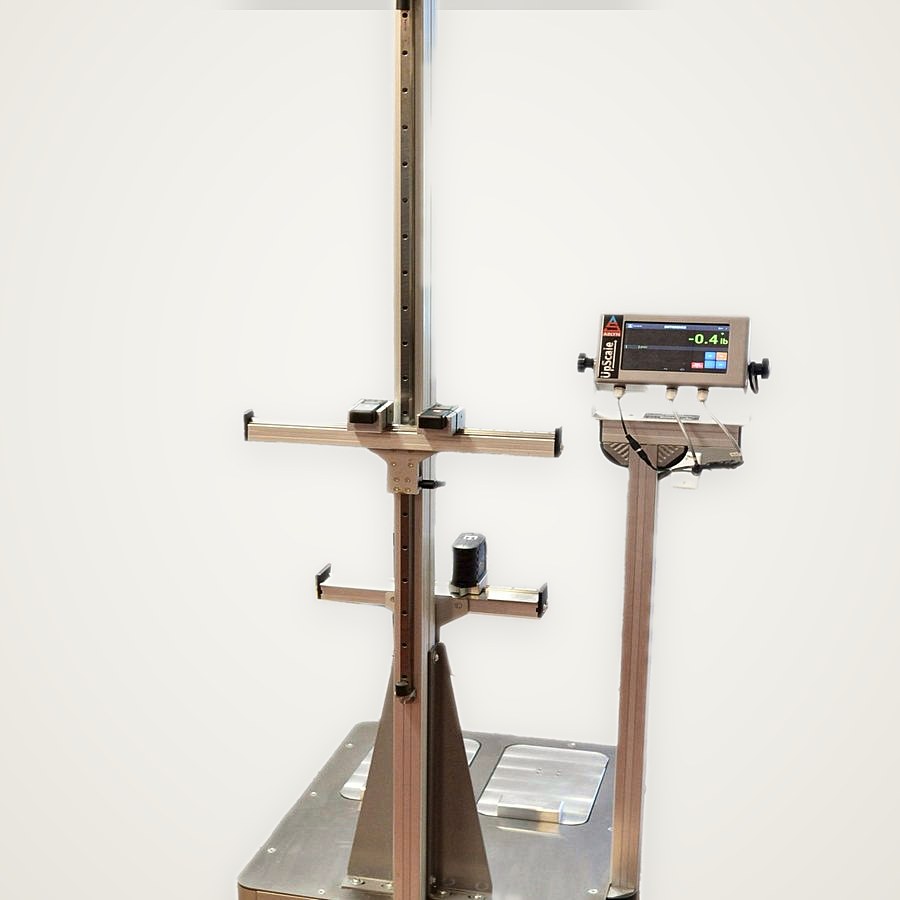
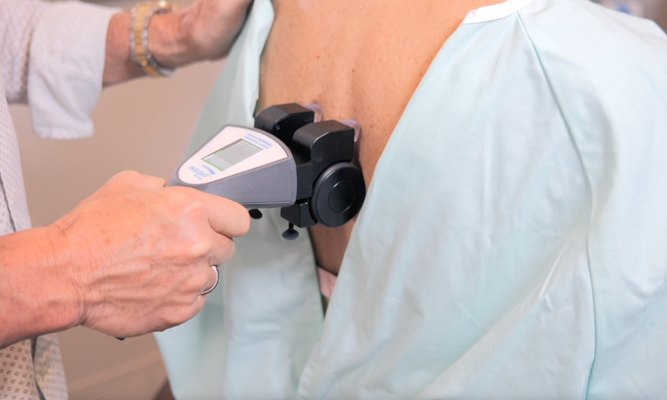
Nothing about your back is guessed. Before anything else, PostureIQ™ measures how your weight is balanced from side to side and front to back, down to the millimeter. The muscle tone scan runs the full length of the spine, from the top of the neck to the base of the low back, and shows where your posture is costing you energy. Digital X-ray shows the alignment of the upper neck itself.
Dr. Lazar or someone personally trained by him will go over your scans and images with you, in plain words. You see it on your own report, and your re-scans show whether it is changing.
your first visit
What the first visit looks like
The first visit is a conversation and a measurement, not a correction. You are heard, start to finish, and your posture is measured.
Book a visit Call 734.274.5107

- ComplimentaryConsultation with PostureIQ™.
A $251 value, complimentary for new patients. Tell us about your back, your hips, what you've tried and what it is keeping you from. Then you stand on the PostureIQ™ scale and see how your weight is balanced.
- $605NeuroStructural Assessment.
Two visits. Three nerve scans and digital and motion X-rays if indicated. At the second visit, your Report of Findings: Dr. Lazar or someone personally trained by him will go over your scans and images with you, and this is where you learn whether we can help. If Dr. Lazar finds you need a plan of care, your schedule and the full cost are put in writing before you decide anything.
- If we can helpThe correction.
Gentle and specific, at the top of the neck, planned from your own imaging. No cracking, no twisting. Re-scans show what is changing, from the neck to the low back.
questions
Questions people ask about low back care here
Still have a question? Call 734.274.5107, or book a Clarity Call. Cost and insurance are answered plainly on the FAQ page.
Keep reading
- Low back pain: what people describe and what the research looked at
- The low back research, study by study
- The five steps of The Lazar Method™
- All conditions
If we can help, we'll tell you. If we can't, we'll help you find someone who can.
"Upper cervical means neck. Why would you look at my low back?"
"I came in for my back. Why start at the top of my neck?"
"Do you see people with sciatica-type pain down the leg?"
"Is the correction forceful?"
"What if my back problem doesn't start at the top?"
"What does research say about upper cervical care for low back pain?"
"Do I have to come in several times a week?"
"Do you take insurance?"
tried everything
When nothing else has worked, start with clarity.
In about 4 minutes, you'll see whether your symptoms point to nervous system dysfunction, and exactly what to do next. Free. Your answers stay private. No spam, ever.
Prefer to talk first?
or call 734.274.5107 · ready to come in? Book your complimentary consultation
Screening adapted from the autonomic dysfunction screening developed by Bruce Bell, MD.
A member of our team will reach out within one business day.