Why you've tried everything and still don't feel right
The seven-minute visit, and the one question the system was never built to ask.

upper cervical care · ann arbor, michigan
You eat well, you walk, and the numbers keep creeping up. Or the pressure swings from day to day, and nobody can tell you why.

what it often looks like
Why it is often missed. High blood pressure is usually measured at the arm and managed with medication, and that matters. How the part of the nervous system that sets heart rate and blood vessel tone is regulating is seldom measured.
Why the upper neck may be involved. The brainstem, which the top bone of the neck surrounds, holds the centers that help regulate heart rate and blood vessel tone. A 2007 NUCCA trial asked whether correcting the atlas changed blood pressure, and it remains one of the most discussed upper cervical studies.
what the research looked at
Published 2001 to 2019. The strongest design among them: controlled trial. Each one is summarized in plain words in our research library: who was studied, what was measured, what was found, and where it falls short.
The NUCCA trial is double-blind and sham-controlled, and it is still a pilot of 50 people over 8 weeks. The other two either measured blood pressure right after a single visit or had no control group. Never stop or change blood pressure medication on your own. That decision belongs with the doctor who prescribes it.
The high blood pressure studies, by design and year
how we measure
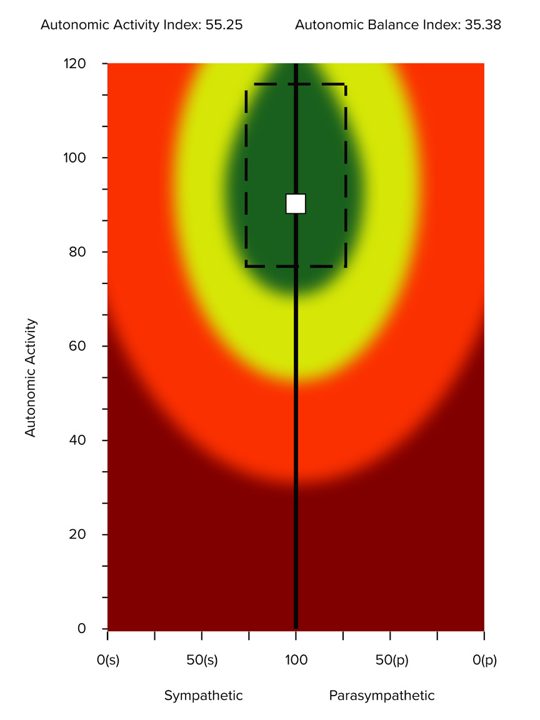
Everyone else told you what might work. We measure before anything is decided. Heart rate variability shows how your nervous system is balancing fight or flight with rest and digest, and thermal scans read the part of your nervous system that runs the organs and blood vessels.
Before any correction we measure how your nervous system is regulating your body: heart rate variability, thermal and muscle tone scans, PostureIQ™, and digital X-ray of the upper neck. Dr. Jonathan Lazar, D.C., or someone personally trained by him, will go over your scans and images with you. QSM3, the method used at our office, is a progression of NUCCA, and the correction is gentle and specific: no cracking, no twisting.
If we can help, we'll tell you. If we can't, we'll help you find someone who can.
Please note: Never stop or change blood pressure medication on your own. That decision belongs with the doctor who prescribes it.
This page is educational and is not medical advice. Keep the doctors who know you in the loop.
the dr. lazar show
Heard for 17 years on WMUZ 103.5 FM, The Dr. Lazar Show is now on YouTube and as a podcast. There is no episode on high blood pressure on its own yet. These two are where most people start.
The seven-minute visit, and the one question the system was never built to ask.
The five steps on air for the first time: measure, identify, clarify, correct, restore, and what gets measured before anything else.
traveling for care
People drive from across Michigan because nothing closer worked. If you live hours away, or in another state, working out the days, the hotel and the records shouldn't be yours to carry alone. Our office is at 203 S. Zeeb Rd, Ann Arbor, Michigan.
Traveling with a child? Families welcome.
Your assessment, your Report of Findings and a concentrated block of corrections in one stay in Ann Arbor, usually one to two weeks, set at your Report of Findings. We read your records before you travel, so you only make the trip if it makes sense. The prices are itemized on the page.
A negotiated medical rate for patients and their families at the Holiday Inn & Suites Ann Arbor, with breakfast, Wi-Fi and parking included.
Can't travel to Ann Arbor at all? Dr. Lazar works with a small number of remote patients. The correction itself is hands-on, so when your case needs it, we'll tell you, and help you find a qualified upper cervical provider near you.
questions
Still have a question? Call 734.274.5107, or book a 15-minute Clarity Call, a phone call with our team and no commitment. Cost and insurance are answered plainly on the FAQ page.
Keep reading
It is a real research question. The brainstem, which the atlas surrounds, holds the centers that help regulate heart rate and blood vessel tone. A 2007 trial asked whether an atlas correction changed blood pressure. Blood pressure has many causes, though, and your medical doctor stays at the center of that care.
It compared a NUCCA correction with a sham in 50 adults. At eight weeks, systolic pressure had come down by an average of 17 points in the NUCCA group and 3 in the sham group. It was double-blind, and it is still a pilot: small, short, and in need of repeating before anyone leans on it.
No. Never stop or change blood pressure medication on your own. That decision belongs with the doctor who prescribes it. Upper cervical care sits alongside your medical care, not in place of it. If your readings change for any reason, tell your doctor, who can decide what that means for your medication.
Heart rate variability shows how your nervous system is balancing fight or flight with rest and digest. Thermal scans read the part of the nervous system that runs the organs and blood vessels. Your scans are decision support, not a diagnosis, and Dr. Lazar or someone personally trained by him will go over them with you.
tried everything
In about 4 minutes, you'll see whether your symptoms point to nervous system dysfunction, and exactly what to do next. Free. Your answers stay private. No spam, ever.
Prefer to talk first?
or call 734.274.5107 · ready to come in? Book your complimentary consultation
Screening adapted from the autonomic dysfunction screening developed by Bruce Bell, MD.
A member of our team will reach out within one business day.